

At Braxton at Tamarron, renters should expect both upfront charges and recurring monthly fees beyond base rent. The clearest published extras are a $75 application fee per applicant, a $150 administration fee, monthly charges for valet trash ($20), amenity access ($15), pest control ($5), RUBS trash ($5), and a utility billing/admin fee ($6), plus required renter’s insurance or the property’s general liability charge of $12 if you do not provide your own coverage.
If you are asking what extra fees do Tamarron apartments in Katy charge, the practical answer is that the total depends most on whether you have pets, want covered parking or a garage, and whether you use your own renter’s insurance. Base rent is only part of the cost, so it helps to total the recurring charges before comparing homes.
What the extra fees are, and which ones are monthly
Start with the one-time application costs. Braxton at Tamarron lists a $75 application fee per applicant and a $150 administration fee. Those are typical screening and file setup costs, but they matter most for roommates or couples because the per-applicant fee multiplies with each adult on the lease.
Then look at the recurring monthly charges that apply in addition to rent. The published list includes valet trash at $20 per month, an amenity fee at $15 per month, pest control at $5 per month, RUBS trash at $5 per month, and a utility admin or billing fee at $6 per month. For a renter trying to budget accurately, these are the charges to add to your base rent every month, not just at move-in.
Insurance is another important line item. Renter’s insurance is required, and the community also lists a $12 general liability charge unless a resident opts out by providing proof of their own coverage. In practice, that means you should ask exactly how outside renter’s insurance must be documented, and whether meeting the insurance requirement removes that $12 charge for your household.
Utilities are not included. That matters because the listed monthly fees are not a substitute for your actual utility bills. When comparing apartments in Katy, some renters assume a fee labeled “utility” covers service usage, but here the published information says utilities themselves are separate, so your real monthly housing cost should include rent, recurring fees, and your own utility consumption.
How pets, parking, and deposits change the real total
Pet costs can substantially change the number. The community allows up to two pets per apartment, with a 99-pound weight limit and breed restrictions, and charges $25 monthly pet rent per pet. There is also a one-time pet fee of $350 for one pet or $600 for two pets, plus an admin pet fee of $25 listed among the additional charges.
Parking is another optional but meaningful add-on. Surface parking is first come, first served, while reserved carports are available for $35 per month and garages for $150 per month. That distinction matters if you need guaranteed covered parking, extra storage, or a more predictable arrival routine than open surface spaces can offer.
Deposits deserve careful attention because they affect move-in cash needs even though they are not a monthly fee. The published security deposit is two times monthly rent, which can be a large upfront amount. At the same time, the property states that it offers a deposit alternative through Obligo and also advertises deposit-free living, so a renter should ask how that alternative works, what approval criteria apply, and whether there are separate enrollment costs or obligations tied to that option.
These variables mean two residents in the same floor plan may have very different total costs. A resident with no pet, no garage, and their own qualifying renter’s insurance will likely pay less each month than a resident with two pets, a garage, and no outside insurance documentation. That is why side-by-side apartment comparisons should be built from a full worksheet, not just advertised rent.
How to compare the total cost before you lease
The most useful way to compare this community with other Tamarron-area options is to split costs into three buckets: move-in charges, fixed monthly fees, and optional lifestyle charges. Move-in charges here can include the application fee, administration fee, any deposit or deposit-alternative obligation, and any one-time pet fee. Fixed monthly fees can include valet trash, amenity, pest control, RUBS trash, utility billing, and possibly the general liability charge. Optional charges would include pet rent, carports, and garages.
It also helps to ask whether every published fee applies to every leaseholder, or whether some depend on building, service enrollment, or resident elections. For example, reserved parking and garages are clearly optional, while renter’s insurance documentation affects whether the $12 general liability charge remains on the account. Getting that clarified in writing can prevent confusion when your first statement posts.
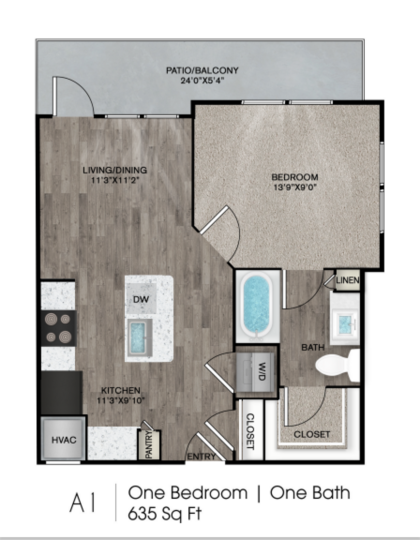
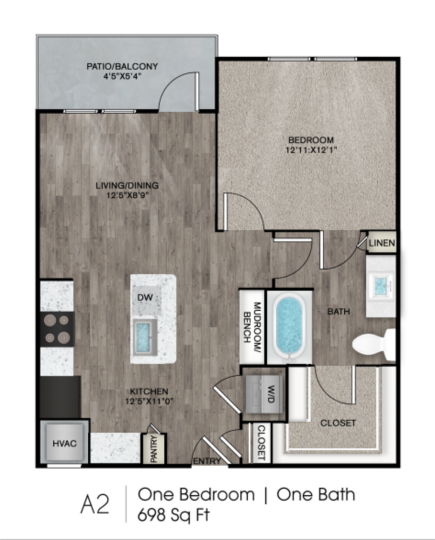
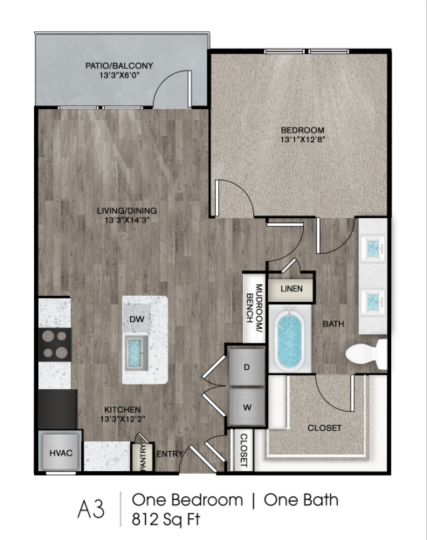
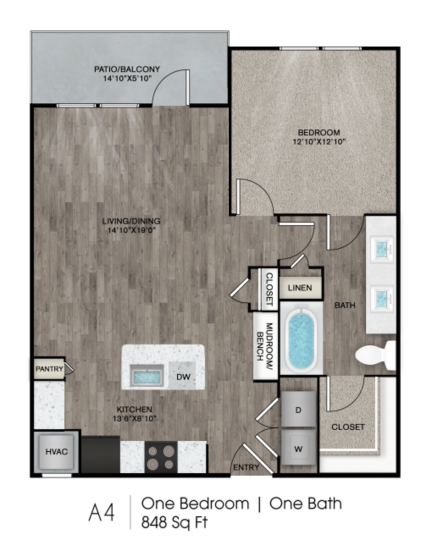
Because current pricing and lease structure can change, ask the leasing team for a sample monthly ledger for the exact apartment you are considering. That is especially useful at a community like Braxton at Tamarron where one-bedroom and two-bedroom homes have different rent levels, and where optional items such as garages, carports, or pet charges can materially change the total. A sample ledger is often more useful than a verbal estimate because it shows which items recur every month.
If this question is driving your search, the low-pressure next step is simple: call Braxton at Tamarron at (346) 313-8915 or ask during your tour for a full cost breakdown for your household size, pet count, insurance choice, and parking needs. That lets you compare the real all-in monthly cost, not just the advertised rent, before you decide.